English
 Bulgaria
 Czech Republic
 Georgia
 Hungary
 Romania
 Slovakia
January 15, 2026
Breathwork and Thermal Healing: Reset Your Nervous System Naturally

What Is Breathwork—and Why It Matters
In spa wellness contexts, breathwork involves conscious use of breathing patterns to influence physiological and psychological function. Breathing represents one of few processes that is both automatic and controllable, making it a practical bridge between body and mind. By modifying breathing patterns, individuals can alter signals their nervous systems receive. Breathwork typically encompasses techniques including:
- Diaphragmatic breathing (deep, abdominal breathing) reducing upper-chest tension and supporting calmer physiological states
- Rhythmic breathing (steady, paced patterns) helping settle mental noise and stabilize energy
- Mindfulness-based approaches where attention anchors in breath to build presence and reduce reactivity
Breathwork's power derives from simplicity. It requires no equipment, can be practiced anywhere, and integrates naturally into daily routines. Practiced consistently, it becomes a gentle yet profound resilience tool, supporting long-term wellbeing similarly to spa stays. Not by forcing change but by creating conditions enabling balance restoration.
Benefits manifest both immediately and cumulatively. Breathwork is widely employed to support:
- Reduced stress and tension by encouraging parasympathetic (rest-and-recovery) nervous system activity
- Improved oxygenation and breathing efficiency, particularly when stress has created shallow breathing patterns
- Enhanced mental clarity with greater focus and decision-making capacity
- Emotional resilience development, facilitating response rather than reaction
- Autonomic nervous system regulation, supporting more balanced stress recovery across time

The Healing Power of Warmth-Based Therapies
Warmth-based therapeutic interventions represent core balneotherapy tradition used in European spa towns for centuries. At Ensana destinations, thermal healing takes specific forms adapted to local natural resources and therapeutic objectives.
Thermal therapy applications are valued for several documented effects:
- Muscle relaxation and reduced tension—Intensive body warming through peat packs (typically 38–42°C / 100–108°F) supports relaxation by easing muscular tightness and facilitating body transition from stress-driven activation. This heat-retentive therapy is particularly employed for locomotor disorder treatment.
- Joint comfort and mobility support—Evidence reviews of balneotherapy commonly report improvements in pain and physical function, particularly in musculoskeletal contexts where warmth application can support tissue comfort and movement quality.
- Circulatory support—Thermal applications influence circulation patterns, which explains their integration into structured therapeutic programs targeting cardiovascular and metabolic support.
- Anti-inflammatory potential—While outcomes vary by condition and protocol, research into thermal therapy describes mechanisms and findings consistent with anti-inflammatory and analgesic effects in relevant populations.
- Metabolic stimulation and recovery support—Thermal exposure can increase metabolic activity and promote processes associated with recovery, supporting the body's natural regulatory systems rather than promising rapid detoxification.
Together, warmth-based therapies offer natural, restorative pathways that feel immediate warmth, release, and comfort, while also supporting deeper recovery mechanisms that wellness research continues to examine.
Why Combining Breathwork and Thermal Therapy Works
Breathwork and thermal therapy function synergistically because they influence the same regulatory center from complementary directions—the nervous system.
Breathwork operates as an internal tool (subtle, precise, and immediately accessible), while thermal therapy provides a full-body signal (physical, grounding, and deeply regulating). When combined in structured spa settings, they can create reset experiences that feel both calming and restorative.
Breathwork prepares the system for recovery
Conscious breathing patterns help shift bodies from stress-driven activation toward calmer baselines. At Ensana, this may be supported through guided breathing exercises (including physiotherapist-led sessions), respiratory-focused elements such as mineral inhalations, and climatic therapy in clean-air park environments. All these help guests breathe more efficiently, experience reduced tension, and achieve calmer states more readily.
Thermal therapy deepens the calm state
Once nervous systems begin downshifting, warmth-based therapies can intensify effects by easing muscular guarding, supporting circulation, and encouraging stronger physical safety sensations. At Ensana, intensive body warming through heated peat packs (40–42°C / 104–108°F) is designed to warm bodies deeply and support locomotor recovery. This warmth depth often pairs effectively with slower breathing patterns.
Together, they create mind-body reset
Breathwork quiets internal noise, thermal therapies release stored physical tension. Combined—often alongside gentle movement like yoga or Nordic walking where breathing technique becomes a practice component—they support whole-person shifts.
The benefits include steadier sleep, improved stress resilience, and clearer vitality sense. This explains the combination's particular relevance for stress recovery, burnout prevention, and long-term wellbeing—not as a quick fix but as a repeatable pathway leading back to balance.

Guided Programs at Ensana Properties
Ensana integrates breathwork and thermal healing into structured, medically informed spa routines across destinations, with specific approaches varying by property and individual needs. This represents core medical competence—validated by Mariánské Lázně's 2023 certification as Climatic Spa.
Expert-led breathwork support
Breathing work is commonly embedded within physiotherapy and rehabilitation sessions, where breathing exercises form part of guided therapeutic training led by physiotherapists.
Respiratory-focused therapies
Beyond exercises, Ensana offers inhalation-based treatments supporting airway hygiene and breathing comfort.
In Mariánské Lázně, mineral water inhalations utilize the Forest Spring (Lesní pramen), which is high in bicarbonate and sodium and aerosolized for treating bronchitis and asthma by helping dilute mucus and cleanse respiratory systems. In Hungary, salt cave and inhalation treatments are available across all Ensana hotels.
Climatic therapy in natural settings
In Mariánské Lázně, breathwork exercises are conducted in English-style forest parks near Kamzík, utilizing submontane climate and clean air as therapeutic agents themselves. This setting integration makes breathing work part of a broader environmental therapy approach.
Thermal routines for stress relief and recovery
Thermal healing at Ensana is delivered primarily through peat packs for intensive body warming, particularly prescribed for locomotor disorders. These heat-retentive applications support muscle release, comfort, and recovery.
They are available in selected Ensana medical spa centres—most notably in Piešťany and Hungarian spa facilities.
Customizable programs for comprehensive rejuvenation
This approach's strength lies in flexibility. Breath-focused work can pair with warmth-based rituals to support both nervous system regulation and physical release, whether objectives involve stress recovery, respiratory support, pain relief, or broader vitality restoration. For those interested in this combination, explore Ensana's health and wellness packages.
Support for Respiratory and Cardiovascular Health
Breathwork and warmth-based therapies prove particularly relevant when objectives extend beyond relaxation to functional recovery, helping bodies breathe, circulate, and regenerate more efficiently.
Respiratory function and breathing comfort
For guests with asthma, chronic bronchitis, or respiratory systems weakened after recurrent illness, guided breathing work can support improved breathing patterns and reduced tightness or shallow breathing sensations.
Within Ensana's medical spa context, this can be complemented by respiratory-focused therapies—all aimed at supporting airway hygiene and calmer, more efficient breathing.
Circulation and cardiovascular vitality
Breathwork supports more stable oxygen uptake and calmer stress responses, while thermal routines can promote warmth sensation, circulation support, and physical release. Together, they create conditions encouraging body shifts into recovery states—supporting overall cardiovascular vitality as part of broader, health-led programming.
Energy, mental focus, and resilience
When stress and fatigue accumulate, individuals often experience tired yet wired states with scattered focus and low resilience. Breathwork helps reduce internal noise and improve self-regulation, while thermal therapies help release muscular tension and deepen physical recovery.
The combined effect explains this pairing's particular suitability for high-performing professionals, burnout prevention, and anyone rebuilding energy after prolonged stress-related fatigue.
The Ideal Wellness Setting
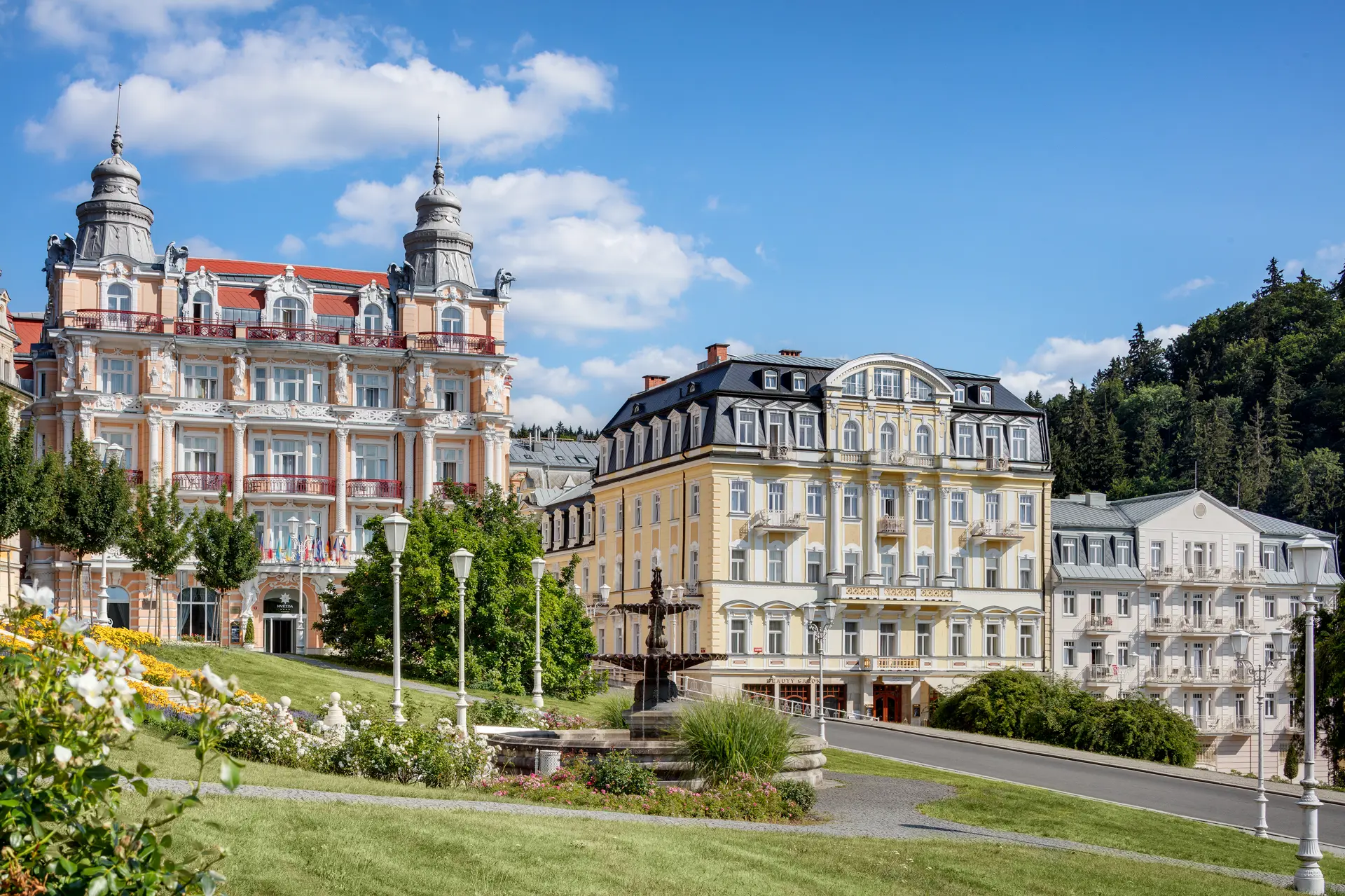
Ensana properties occupy tranquil spa towns characterized by elegant historic architecture and natural surroundings. These settings weren't designed as wellness hotels but as therapeutic environments where recovery has occurred for generations.
They all support slow living and mental reset, sustainable wellness habits extending beyond stays, as well as immersion in both nature and historic heritage, creating a distinctive atmosphere where therapeutic tradition meets contemporary health science.
For those seeking more than temporary pause, explore Ensana wellness stays incorporating breath-focused support with traditional thermal healing rituals. This represents not merely relaxation but deep, methodical rejuvenation grounded in physiological logic and restorative natural power.
View Ensana's current wellness packages to identify optimal matches for your individual objectives, or consult with Ensana wellness advisors for personalized recommendations.