English
 Bulgaria
 Czech Republic
 Georgia
 Hungary
 Romania
 Slovakia
April 13, 2026
Peat Mud vs Salt Mud Treatment: A Comprehensive Guide to Therapeutic Mud Baths

Introduction: Understanding Peat Mud vs Salt Mud Treatment
From the grand bathhouses of ancient Rome to the sacred springs of the Greeks, our ancestors recognized that certain mineral-rich soils possessed a unique power to soothe aching limbs and revitalize the spirit. Today, modern balneology (the science of baths) confirms what these early healers knew instinctively: the earth provides a sophisticated pharmacy beneath our feet.
However, once you decide to try a treatment, you may find yourself facing a choice – peat mud versus salt mud. While both are highly effective, they are fundamentally different tools in the wellness toolkit.
- Peat mud is an organic powerhouse, formed from decomposed plant matter like mosses and herbs, and is prized for its incredible ability to deliver deep, consistent heat to the body.
- Salt mud (often called mineral or sea mud) is typically an inorganic material harvested from sea beds or salt lakes, valued for its intense mineral concentration and its transformative effects on skin health and circulation.
In this guide, you will learn exactly how these two treatments differ in their chemical composition, their thermal properties, and their specific health applications. By the end, you will feel confident choosing the therapy that best aligns with your personal health needs, whether you are looking to ease joint stiffness or rejuvenate your complexion.
What is Peloid Therapy? Types of Therapeutic Mud
To understand the difference between peat and salt mud, we must first look at the scientific umbrella they sit under: peloid therapy. While the term might sound modern, it originates from the Greek word pelos, meaning mud or clay.
According to medical hydrology standards recognized by organizations like the International Society of Medical Hydrology (often cited in the context of World Health Organization traditional medicine frameworks), a peloid is a matured mud or muddy substance with documented healing properties.
It is important to clarify that not all mud is therapeutic mud. A true peloid consists of a complex mixture of organic or inorganic substances combined with water, which has undergone a "maturation" process over centuries. This maturation—often involving geological pressure and biological decomposition—is what gives the mud its medicinal value.
The Classification of Peloids
Peloids are classified based on their origin, chemical composition, and physical properties. In professional balneology, we generally divide them into four main categories:
- Peat Peloids (Organic)—formed from the decomposition of plant matter (mosses, reeds, and sedges) in water-saturated environments.
- Silt Peloids (Salt/Marine Mud)—inorganic or mixed sediments found at the bottom of salt lakes, lagoons, or sea beds, characterized by high mineral concentrations.
- Spring Sediments—depositions formed at the mouth of thermal springs, often rich in sulfur or iron.
- Inorganic Peloids—these include specific clays and loess that are rich in silica or aluminum but contain very little organic matter.
The specific properties of these muds—such as their pH level, thermal capacity (how long they stay warm), and mineral density—dictate their clinical use. For example, the organic acids in peat behave differently on human tissue than the high salinity of marine mud.

At a Glance: Main Peloid Categories
Peloid Type - Primary Origin - Key Characteristic - Best Suited For
Peat Mud
Decomposed vegetation (bogs)
High organic content and heat retention
Joint pain and inflammation
Salt/Silt Mud
Salt lakes or sea beds
High mineral and salt concentration
Skin health and circulation
Thermal Silt
Hot spring deposits
Rich in sulfur and trace minerals
Respiratory and skin issues
Clays
Geological rock weathering
Highly absorbent and inorganic
Detoxification and cooling
Whether a peloid is used exactly as harvested or refined for consistency and temperature control, its therapeutic power lies in its unique biological fingerprint. By understanding this classification, you can better appreciate why your therapist might recommend the enveloping warmth of peat for your back or the mineral-rich salt mud for your skin.
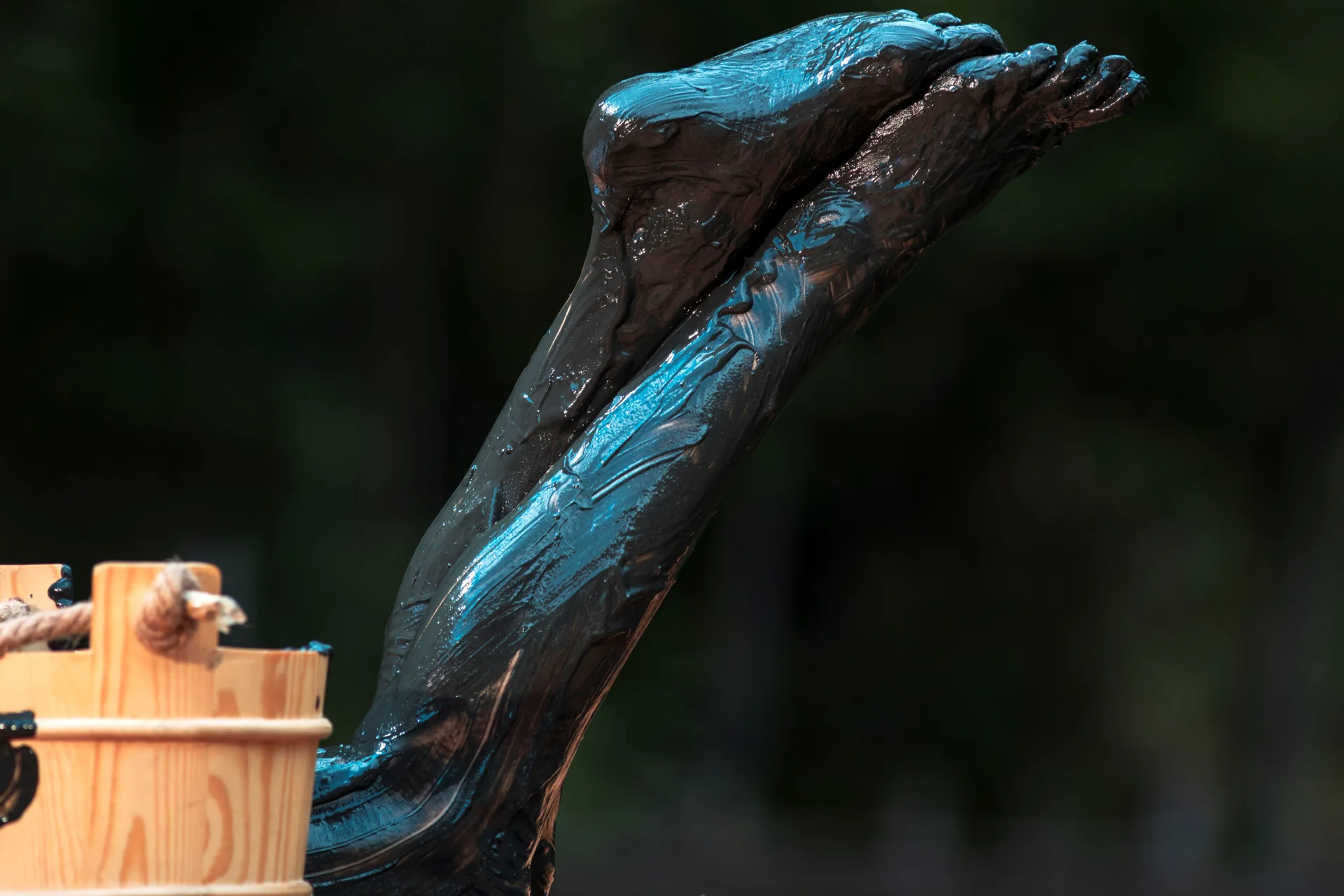
Peat Mud: Composition, Properties and Origins
Often referred to in European spa tradition as "Black Gold," peat mud is a purely organic peloid with a history of use that dates back centuries. Unlike other muds that are primarily composed of crushed rock or sand, peat is a living history of the earth’s vegetation, concentrated into a potent therapeutic paste.
The Slow Birth of Peat
The formation of peat is a patient, geological miracle. It begins in oxygen-poor, waterlogged wetlands—known as moors or bogs—where plant material such as mosses, reeds, and sedges accumulates. Because the water prevents the plants from fully decaying, they slowly decompose over thousands of years, pressing their nutrients and biological energy into a thick, dark sediment. This unique environment creates a substance that is exceptionally rich in concentrated organic matter.
A Complex Chemical Pharmacy
What makes peat therapeutically valuable is its "cocktail" of biological compounds. When applied to the skin, these elements work in harmony to support the body's internal systems:
- Humic acids: Potent natural substances known for their significant anti-inflammatory and antiviral properties.
- Fulvic acids: These act as powerful antioxidants and "transporters" that help minerals penetrate the skin barrier.
- Iron and magnesium: Essential minerals that support muscle function and blood health.
- Calcium: Helps to soothe the skin and supports cellular repair.
- Organic trace elements: Rare compounds that stimulate the metabolism and the immune system.
Sensory Properties and Superior Heat Retention
To the touch, peat mud is a sensory experience unlike any other. It has a thick, velvety, and remarkably smooth consistency with a deep dark brown to black color. It carries a subtle, clean, earthy aroma that evokes the forest floor.
The most important physical property of peat, however, is its heat retention capacity. Peat can hold heat significantly longer and more consistently than water. In a professional treatment session, peat is typically applied at temperatures between 42°C and 46°C. Because the material releases this heat very slowly, it allows for 15–20 minutes of deep, penetrating thermal therapy that reaches into the muscles and joints without shocking the skin.
Authentic European Sources
The highest quality therapeutic peat is found in the ancient moorlands of Central Europe. Ensana sources its peat from protected, mineral-rich regions in the Czech Republic and other European locations, where the geological conditions are perfect for producing peloids with high concentrations of humic acids. We invite you to explore our mud and peat treatment programmes to discover how this organic heritage, combined with its unmatched ability to deliver deep-tissue heat, makes peat the premier choice for those seeking relief from chronic physical discomfort.
Salt Mud: Composition, Properties and Dead Sea Connection
While peat mud is a miracle of organic decomposition, salt mud is a masterpiece of inorganic mineral concentration. This peloid—often referred to as silt or sea mud—is born in hypersaline environments where the relentless evaporation of water leaves behind a dense, mineral-rich sediment.
The Formation of Mineral Powerhouses
Salt mud forms over millennia at the bottom of salt lakes, lagoons, or sea beds. In these unique ecosystems, the water becomes supersaturated with minerals. As these elements settle, they mix with fine clay and organic micro-remains to create a sediment with a chemical profile unlike any other soil on Earth. While the Dead Sea is the most iconic source, similar high-quality mineral muds are found in geothermal regions like Iceland’s Blue Lagoon and specific salt lakes across Europe.
The Premium Standard: Dead Sea Mineral Profile
The Dead Sea mud is globally recognized as the gold standard for salt mud therapy because it sits at the lowest point on Earth, with a salinity of approximately 33% (compared to just 3% in the open ocean). This extreme environment produces a specific mineral concentration that provides profound therapeutic benefits:
- Magnesium (30-35%)
Essential for repairing the skin barrier and acting as a natural anti-inflammatory agent.
- Potassium (20-25%)
Helps maintain moisture balance and supports muscle contractions.
- Calcium (10-15%)
Strengthens cell membranes and promotes skin regeneration.
- Sodium Chloride (3-8%)
Provides powerful antimicrobial and cleansing properties.
- Bromide (trace)
Known for its calming effect on the nervous system and muscle relaxation.
Zinc and sulfates
Support wound healing and collagen production.

Sensory Properties and Physical Comparison
To the touch, salt mud is distinctly different from peat. It has a much finer, silkier texture and a smoother, almost buttery consistency. Its color ranges from a light charcoal grey to a deep, obsidian black, and it carries a clean, mineral scent rather than the earthy aroma of the moorlands.
In terms of physical performance, salt mud has a lower heat retention capacity than peat; it cools more quickly and is typically applied at lower temperatures. However, its therapeutic value doesn't rely on heat. Instead, it excels through transdermal mineral absorption. The high salinity creates an osmotic effect, drawing impurities out of the skin while simultaneously "pumping" vital minerals into the tissue. This makes it an incomparable tool for skin rejuvenation and systemic detoxification, whereas peat remains the specialist for deep-tissue thermal healing.
Therapeutic Benefits: Peat Mud vs Salt Mud Comparison
Choosing between these two legendary peloids depends entirely on your therapeutic goals. While both offer a profound sense of stress reduction and a revitalizing boost to your circulation, their primary mechanisms of action—and the conditions they treat most effectively—differ significantly.
The primary power of peat mud lies in its ability to deliver consistent, deep-penetrating heat. Because of its superior heat retention, it induces a state of therapeutic hyperthermia in the underlying tissues.
- Chronic pain relief
Peat is the gold standard for musculoskeletal conditions like arthritis, rheumatism, and chronic back pain. The sustained heat increases blood flow to localized areas, which helps to flush out inflammatory markers and relax spasming muscles.
- Anti-inflammatory action
Beyond warmth, the high concentration of humic acids in peat acts chemically to reduce inflammation. Clinical studies recognized by the International Society of Medical Hydrology suggest that these organic acids can penetrate the skin barrier to provide systemic relief for inflamed joints.
- Deep muscle relaxation
The combination of heat and organic compounds allows for a "melting" of muscle tension that is often more effective than massage alone.
Salt mud excels through chemical exchange rather than thermal energy. Its high salinity creates an osmotic effect—a "pulling" action—that is unique to mineral-rich silts.
- Dermatological healing
Salt mud is incomparable for treating psoriasis, eczema, and persistent acne. The high magnesium content strengthens the skin barrier and reduces surface inflammation, while the salt acts as a natural antimicrobial agent.
- Detoxification through osmosis
While peat causes detoxification through sweating, salt mud uses osmotic exchange to draw toxins and excess oils directly out of the pores while simultaneously providing the skin with minerals.
- Skin rejuvenation
The fine, abrasive texture of the minerals provides gentle exfoliation, improving skin texture and hydration levels. According to research supported by the European Spas Association, regular salt mud applications significantly improve skin elasticity and moisture retention.
Regardless of which peloid you choose, both treatments provide a significant boost to your psychological wellness. The ritual of being enveloped in the earth’s warmth triggers the parasympathetic nervous system, inducing a "rest and digest" state. This deep relaxation lowers cortisol levels and provides a meditative mental reset that is as valuable as the physical healing itself.
By understanding these mechanisms, you can utilize peloid therapy as a precise tool for your long-term health and vitality.
Peat Mud Therapy Salt Mud Therapy
Primary mechanism -> Thermal retention and organic acids -> Osmotic exchange and mineral absorption
Best for joints -> Exceptional (arthritis, stiffness) -> Moderate (general inflammation)
Best for skin -> Moderate (smoothness, warmth) -> Exceptional (psoriasis, eczema, acne)
Inflammation -> Internal (joints and muscles) - >External (dermatological and systemic)
Detoxification -> Via sweat / hyperthermia -> Via osmotic mineral exchange
Peat Mud for Arthritis and Joint Pain
Peat mud has earned its reputation in European balneology as the premier natural treatment for arthritis and chronic rheumatic conditions. Its effectiveness lies in the physical power of sustained heat and the chemical influence of organic compounds.
Unlike water-based baths that cool relatively quickly, a peat peloid possesses a remarkable heat retention capacity. During a treatment, the mud is typically applied at temperatures between 42°C and 46°C. Because it releases this energy slowly and evenly, the heat can penetrate through the skin and muscle layers to reach the deep structures of the joints. This sustained warmth triggers vasodilation, increasing blood flow to the affected area, which helps to flush out metabolic waste and deliver oxygenated blood to stiff, immobile tissues.
Beyond the heat, peat contains high concentrations of humic acids. These organic substances act as natural anti-inflammatory agents that can inhibit inflammatory mediators in the body, effectively reducing joint swelling and pain. This makes peat therapy particularly beneficial for:
- Ankylosing spondylitis
- Osteoarthritis
- Rheumatoid arthritis
- Psoriatic arthritis
- General joint inflammation
While many guests experience acute pain relief after just one or two treatments, long-term management of chronic conditions typically requires a structured course of 6–12 treatments over a period of two to three weeks. This cumulative approach ensures the anti-inflammatory benefits are sustained.
At Ensana, we often combine peat therapy with other modalities, such as mineral baths or kinesiotherapy, to provide a comprehensive management plan. It is important to note that results vary individually, and peloid therapy should always complement—rather than replace—your primary medical care.
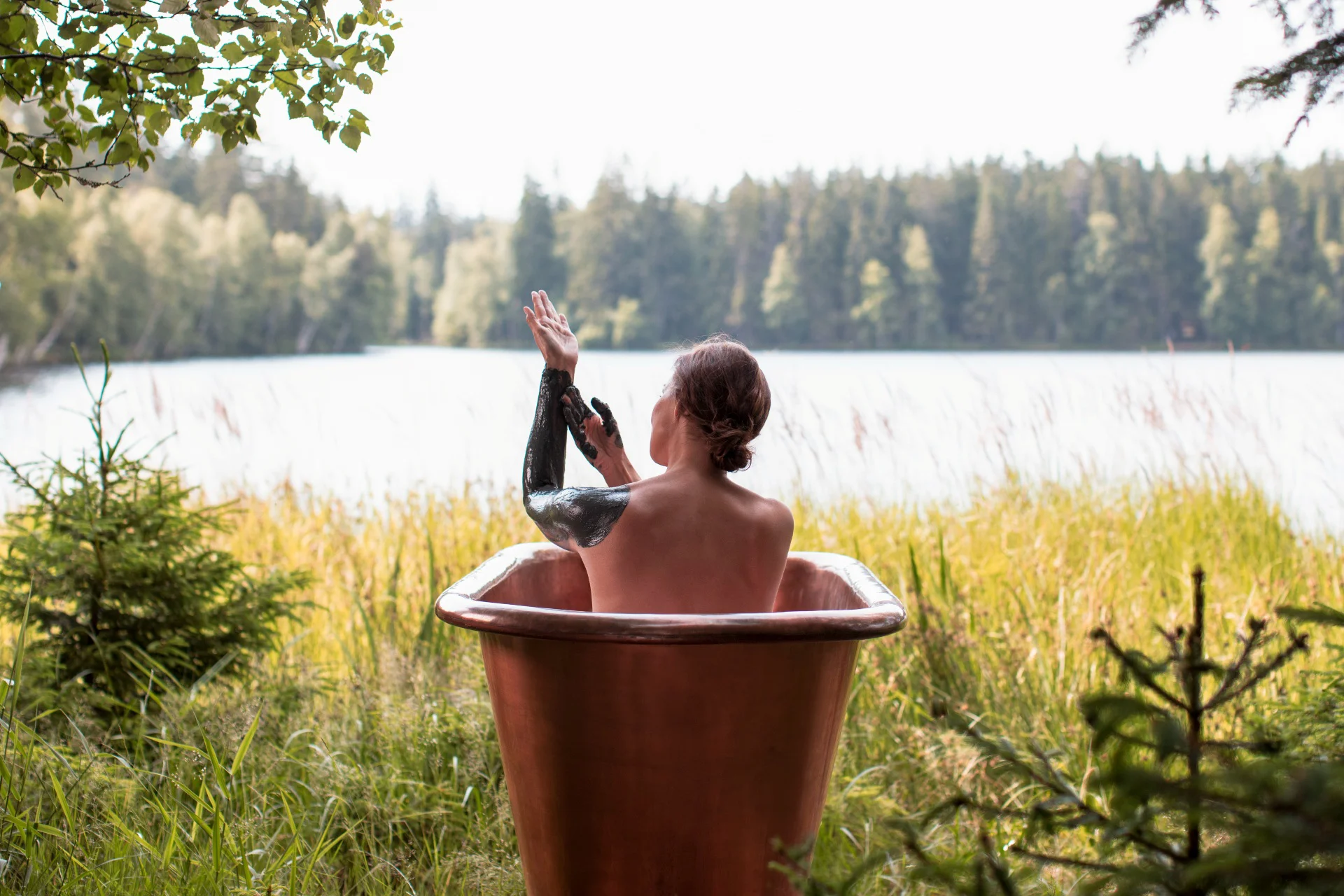
Salt Mud for Skin Conditions and Dermatological Health
While peat focuses on the internal structures of the body, salt mud—and specifically the mineral-rich silt from the Dead Sea—is the premier peloid for external restoration. Its efficacy is rooted in the high concentration of minerals that are absorbed transdermally during a 20–30 minute application, bypassing the digestive system to deliver nourishment directly to the skin.
The unique chemical profile of salt mud provides a multi-layered approach to skin conditions. Magnesium, a dominant mineral in this peloid, is clinically proven to strengthen the skin’s natural barrier, improving hydration and significantly reducing surface inflammation. Simultaneously, calcium supports rapid cell regeneration and wound healing, making it an essential tool for repairing compromised tissue.
Clinical studies, particularly those conducted at Dead Sea clinics, have shown that salt mud therapy offers measurable relief for various conditions:
- Psoriasis: Effectively reduces scaling, redness, and the thickness of plaques.
- Eczema and atopic dermatitis: Calms reactive skin and reduces the persistent itching associated with a weakened barrier.
- Acne: The antimicrobial properties of salt and sulfur inhibit bacterial growth and balance oil production.
- Skin aging: High antioxidant levels and mineral density improve overall texture, tone, and elasticity.
Beyond pure mineral delivery, salt mud performs a unique osmotic exchange. As the mud dries slightly, it draws impurities and toxins out of the pores while allowing beneficial trace elements in. This process, combined with the gentle exfoliation provided by the fine mineral particles, leaves the skin medically healthier and cosmetically rejuvenated. As the most mineral-dense mud source on Earth, Dead Sea peloids offer a level of dermatological intensity that few modern topical treatments can match.
Treatment Procedures: How Peat and Salt Mud Baths Work
Stepping into a peloid treatment for the first time is a unique experience that blends ancient ritual with modern medical precision. Understanding the process helps you relax and fully embrace the healing power of the earth, especially when combining mud baths with therapeutic protocols for back pain. While both treatments involve mud, the procedures are tailored to maximize their specific organic or mineral benefits.
The Peat Bath Procedure: Deep Thermal Immersion
A peat bath is designed to envelop the body in a consistent, intense thermal cocoon. Because peat is thick and holds heat exceptionally well, the procedure focuses on sustained hyperthermia.
The Salt Mud Bath Procedure: Mineral Enrichment
A salt mud bath or wrap focuses less on extreme heat and more on the duration of skin contact for mineral absorption.
Sensory Comparison: What to Expect
- Peat: You will notice a thick, velvety texture and a rich, earthy aroma. The warmth is intense but soothing, often leading to a state of profound drowsiness.
- Salt Mud: The texture is much finer and smoother, with a clean, salty scent. You may feel a slight tingling or pulling sensation on the skin—this is the mineral activity at work.
How to Prepare Mud for a Mud Bath?
In professional spa settings, therapeutic mud is prepared by trained balneotherapists who follow strict medical protocols. They source authentic peloids from protected natural deposits and mix them with specific thermal or mineral waters to reach the perfect therapeutic consistency. The mixture is then heated to a precise temperature and tested for pH balance and mineral concentration to ensure both safety and efficacy.
Note: Home preparation or DIY mud baths cannot replicate the hygiene standards, mineral density, or temperature precision of a professional facility. Authentic peloid therapy should always be conducted under professional supervision to ensure medical safety and optimal health results.
Physiological Effects: How Mud Therapy Works in Your Body
To appreciate the true value of peloid therapy, one must look beyond the immediate sensation of relaxation. Unlike a standard bath, therapeutic mud initiates a series of measurable physiological effects that transform the body’s internal chemistry. It is a scientifically grounded medical intervention that utilizes temperature, pressure, and chemistry to trigger healing.
Therapeutic Hyperthermia and Deep Heat
The most immediate effect of a mud bath is therapeutic hyperthermia. This is the controlled elevation of tissue temperature—typically to between 40°C and 46°C. Because mud is a dense, low-heat-conductive material, it allows heat to penetrate 3–4 cm deep into the tissue, which is significantly deeper than hot water or air can reach. This leads to:
- Vasodilation: As the tissue warms, your blood vessels expand, increasing local blood flow by 50–70%.
- Metabolic boost: Your metabolic rate increases by approximately 10% for each degree Celsius the temperature rises. This acceleration helps the body process nutrients and repair damaged cells faster.

Salt Mud for Skin Conditions and Dermatological Health
While peat focuses on the internal structures of the body, salt mud—and specifically the mineral-rich silt from the Dead Sea—is the premier peloid for external restoration. Its efficacy is rooted in the high concentration of minerals that are absorbed transdermally during a 20–30 minute application, bypassing the digestive system to deliver nourishment directly to the skin.
The unique chemical profile of salt mud provides a multi-layered approach to skin conditions. Magnesium, a dominant mineral in this peloid, is clinically proven to strengthen the skin’s natural barrier, improving hydration and significantly reducing surface inflammation. Simultaneously, calcium supports rapid cell regeneration and wound healing, making it an essential tool for repairing compromised tissue.
Clinical studies, particularly those conducted at Dead Sea clinics, have shown that salt mud therapy offers measurable relief for various conditions:
- Psoriasis: Effectively reduces scaling, redness, and the thickness of plaques.
- Eczema and atopic dermatitis: Calms reactive skin and reduces the persistent itching associated with a weakened barrier.
- Acne: The antimicrobial properties of salt and sulfur inhibit bacterial growth and balance oil production.
- Skin aging: High antioxidant levels and mineral density improve overall texture, tone, and elasticity.
Beyond pure mineral delivery, salt mud performs a unique osmotic exchange. As the mud dries slightly, it draws impurities and toxins out of the pores while allowing beneficial trace elements in. This process, combined with the gentle exfoliation provided by the fine mineral particles, leaves the skin medically healthier and cosmetically rejuvenated. As the most mineral-dense mud source on Earth, Dead Sea peloids offer a level of dermatological intensity that few modern topical treatments can match.
Treatment Procedures: How Peat and Salt Mud Baths Work
Stepping into a peloid treatment for the first time is a unique experience that blends ancient ritual with modern medical precision. Understanding the process helps you relax and fully embrace the healing power of the earth, especially when combining mud baths with therapeutic protocols for back pain. While both treatments involve mud, the procedures are tailored to maximize their specific organic or mineral benefits.
The Peat Bath Procedure: Deep Thermal Immersion
A peat bath is designed to envelop the body in a consistent, intense thermal cocoon. Because peat is thick and holds heat exceptionally well, the procedure focuses on sustained hyperthermia.
The Salt Mud Bath Procedure: Mineral Enrichment
A salt mud bath or wrap focuses less on extreme heat and more on the duration of skin contact for mineral absorption.
Sensory Comparison: What to Expect
- Peat: You will notice a thick, velvety texture and a rich, earthy aroma. The warmth is intense but soothing, often leading to a state of profound drowsiness.
- Salt Mud: The texture is much finer and smoother, with a clean, salty scent. You may feel a slight tingling or pulling sensation on the skin—this is the mineral activity at work.
How to Prepare Mud for a Mud Bath?
In professional spa settings, therapeutic mud is prepared by trained balneotherapists who follow strict medical protocols. They source authentic peloids from protected natural deposits and mix them with specific thermal or mineral waters to reach the perfect therapeutic consistency. The mixture is then heated to a precise temperature and tested for pH balance and mineral concentration to ensure both safety and efficacy.
Note: Home preparation or DIY mud baths cannot replicate the hygiene standards, mineral density, or temperature precision of a professional facility. Authentic peloid therapy should always be conducted under professional supervision to ensure medical safety and optimal health results.
Physiological Effects: How Mud Therapy Works in Your Body
To appreciate the true value of peloid therapy, one must look beyond the immediate sensation of relaxation. Unlike a standard bath, therapeutic mud initiates a series of measurable physiological effects that transform the body’s internal chemistry. It is a scientifically grounded medical intervention that utilizes temperature, pressure, and chemistry to trigger healing.
Therapeutic Hyperthermia and Deep Heat
The most immediate effect of a mud bath is therapeutic hyperthermia. This is the controlled elevation of tissue temperature—typically to between 40°C and 46°C. Because mud is a dense, low-heat-conductive material, it allows heat to penetrate 3–4 cm deep into the tissue, which is significantly deeper than hot water or air can reach. This leads to:
- Vasodilation: As the tissue warms, your blood vessels expand, increasing local blood flow by 50–70%.
- Metabolic boost: Your metabolic rate increases by approximately 10% for each degree Celsius the temperature rises. This acceleration helps the body process nutrients and repair damaged cells faster.
Key takeaway: Peat is your primary choice if your goal is internal. Its ability to hold intense heat (42–46°C) and deliver anti-inflammatory organic acids makes it the gold standard for deep-seated musculoskeletal pain.
Choose Salt Mud If You Are Seeking Relief From:
- Dermatological conditions: Psoriasis, eczema, atopic dermatitis, or persistent acne.
- Skin aging and cosmetic goals: Improving skin elasticity, texture, and hydration.
- Detoxification: Drawing out impurities through osmotic mineral exchange.
- General wellness: Those who prefer moderate temperatures (37–40°C) over intense hyperthermia.
- Stress management: Rebalancing the nervous system through intensive mineral absorption (magnesium and bromide).
Key takeaway: Salt mud is your primary choice if your goal is external or preventative. Its therapeutic power comes from mineral density, making it the premier option for skin health and systemic mineral replenishment.
In many cases, either treatment—or a combination of both—may be appropriate for:
- General stress and anxiety management.
- Mild muscle tension and relaxation.
- Improving overall blood circulation and vitality.
Which type of mud is best suited for mud therapy?
No single mud type is universally "best"—the optimal choice depends on your specific health goals. Peat mud is best for musculoskeletal conditions, chronic pain, and arthritis due to its superior heat retention and anti-inflammatory humic acids. Salt mud, particularly Dead Sea mud, is the superior choice for dermatological conditions, mineral therapy, and general wellness due to its exceptional mineral concentration. At professional facilities like Ensana Hotels, we recommend a medical consultation to ensure your treatment selection is personalized to your health assessment.

If you are dealing with chronic arthritis, diagnosed dermatological conditions, or rheumatic diseases, peloid therapy is viewed as a clinical intervention. These conditions typically require a professional medical assessment and a prescribed course of treatments (usually 6–12 sessions) to achieve a lasting therapeutic effect. To ensure optimal results, Ensana provides comprehensive care for rheumatic conditions, blending natural resources with modern medical expertise.
If your goals are stress relief, mental relaxation, minor skin enhancement, or a general boost in vitality, occasional treatments are highly effective. In these cases, the focus is on the immediate sensory benefits and the psychological reset provided by the spa environment.
Age and Fitness Considerations
It is important to consider your body's tolerance for thermal stress. Peat therapy’s high heat can be physically demanding and may not be suitable for the elderly, individuals with cardiovascular issues, or those sensitive to heat. Salt mud offers a more moderate experience that suits a wider age range. Generally, children under 12 are not candidates for intensive peloid therapy.
Contraindications and Safety: When to Avoid Mud Therapy
While peloid therapy is a powerful natural healer, its physiological intensity—specifically regarding heat and mineral absorption—means it is not suitable for everyone. At Ensana, your safety is our priority; therefore, a professional health assessment is always conducted to identify any contraindications before treatment begins.
Absolute Contraindications
You should not undergo mud therapy if you are experiencing any of the following:
- Acute conditions: Fever, active infections, or acute inflammation.
- Cardiovascular risks: Severe heart failure, recent heart attack, uncontrolled hypertension, or active thrombophlebitis (blood clots).
- Skin and tissues: Open wounds, severe burns, or active skin infections in the treatment area.
- Serious illness: Active cancer (without oncologist clearance), active tuberculosis, or severe kidney and liver disease.
- Pregnancy: The first trimester is an absolute contraindication due to hyperthermia risks.
Relative Contraindications: Consult a Physician First
Certain conditions require a medical consultation to determine if a modified treatment plan is safe:
- Controlled hypertension: Monitoring is required as heat initially raises, then lowers, blood pressure.
- Pregnancy (2nd and 3rd trimester): Must be approved by an obstetrician; typically, lower-temperature salt mud is preferred over peat.
- Chronic conditions: Diabetes with complications, thyroid disorders (due to mineral/iodine content), or respiratory conditions like asthma and COPD.
Specific Concerns: Peat vs. Salt Mud
- Peat therapy: Because it utilizes high temperatures (42–46°C), it creates greater cardiovascular stress. It is not suitable for heat-sensitive individuals or those with significant heart conditions.
- Salt mud: The intense mineral absorption can affect electrolyte balance, which is a concern for those with kidney disease. The iodine content may also impact specific thyroid conditions.
Potential Side Effects and When to Stop
It is normal to feel temporary fatigue, skin redness, or a slight increase in joint pain for 24–48 hours after a peloid session. However, you should stop treatment immediately and alert your therapist if you experience:
- Chest pain, palpitations, or severe shortness of breath.
- Dizziness, nausea, or a fainting sensation.
- Signs of an allergic reaction, such as a sudden rash or swelling.
By disclosing your full health history and medications during your Ensana consultation, you ensure that your path to wellness is both effective and safely managed by medical professionals.
Where to Get Treatments: Dead Sea, Iceland, and European Spa Destinations
Authentic peloid therapy is deeply tied to the land. Because true therapeutic mud requires specific geological conditions and thousands of years to mature, the world’s most effective treatments are found in destinations where these natural resources are harvested directly from the earth.
The Dead Sea: The Pinnacle of Salt Mud Therapy
For those seeking the world’s most concentrated mineral experience, the Dead Sea remains the ultimate destination. Located at the lowest point on Earth (430 meters below sea level), the shores of Israel (Ein Bokek) and Jordan offer a unique environment where 33% salinity meets highly oxygenated air. Here, salt mud therapy is often combined with controlled sun exposure to treat chronic psoriasis, arthritis, and respiratory conditions in specialized medical clinics.
Iceland: Volcanic Geothermal Mud
Iceland offers a different kind of mineral miracle. Destinations like the world-renowned Blue Lagoon utilize geothermal seawater and white silica-rich mud. This volcanic peloid is distinct from both peat and Dead Sea mud, offering a unique mineral composition that is particularly effective for skin rejuvenation and psoriasis, set against the backdrop of Iceland’s dramatic geothermal landscape.
Central Europe: The Heritage of Peat Baths
Europe holds a centuries-old monopoly on the finest peat mud traditions. The "Spa Triangle" in the Czech Republic—including Karlovy Vary, Mariánské Lázně, and Františkovy Lázně—along with the Alpine regions of Austria (Bad Gleichenberg) and the Bavarian moors of Germany, are the heartlands of peat therapy. These destinations utilize "Black Gold" sourced from local, protected moorlands, delivered under strict medical supervision. Visitors can experience the centuries-old peat bath traditions in Mariánské Lázně, where local resources are integrated into sophisticated clinical protocols.
Ensana Hotels: Authentic Mud Therapy Programmes
Ensana operates at the very center of this European tradition. Our spa hotels are strategically located in premier peat and mineral mud hubs, providing guests with authentic local peat and mineral-rich silts sourced from verified natural deposits. Every treatment is overseen by professional balneotherapists and medical staff who conduct comprehensive health assessments.
In locations like Piešťany (Slovakia), famous for its sulfur-rich salt mud, or Mariánské Lázně (Czech Republic), known for its peat, we combine mud therapy with thermal waters and expert massage to create a truly personalized plan.
Professional Spa vs. Home Treatment
While many mud masks are available for home use, they cannot replicate a professional peloid treatment. Home products often lack therapeutic concentrations and proper maturation. More importantly, home use lacks precise temperature control and medical oversight, which are essential for safety and efficacy.
For serious health goals or chronic pain, a professional spa programme is the only way to ensure you are receiving a high-quality authentic treatment that meets medical hygiene standards.
Cost and Accessibility: What to Expect When Booking Mud Therapy
Planning for peloid therapy involves understanding that you are investing in a medical-grade wellness intervention rather than a simple cosmetic service. The cost of treatment varies significantly based on the source of the mud, the level of medical supervision, and the prestige of the destination.
While prices fluctuate by region, you can generally categorize sessions as follows:
- Local Spa (budget option): A basic peat or salt mud bath typically ranges from £30–£60 per session.
- European Spa Hotels (mid-range option): At established medical spas like Ensana, a professionally supervised treatment usually costs between £50–£100.
- Luxury Destinations (premium option): Treatments at iconic locations like the Dead Sea or Iceland’s Blue Lagoon often start at £80–£150+ per session.
The Value of Treatment Packages
For those seeking genuine therapeutic results for conditions like arthritis or psoriasis, a single session is rarely enough. Significant therapeutic results typically require a structured course of 6–12 treatments administered over a period of 2–3 weeks.
Because of this cumulative nature of peloid therapy, most professional facilities offer package deals that provide significantly better value. A 10-treatment course typically costs 15–25% less than booking individual sessions. Furthermore, comprehensive spa breaks that include accommodation, specialized diets, and a full treatment schedule offer the most cost-effective way to undergo a serious healing protocol.

What Is Included in the Price?
When you book a professional treatment, you aren't just paying for the mud. The price generally covers:
- A pre-treatment medical consultation or health assessment.
- Application of authentic, professional-grade peloids.
- Access to post-treatment rest areas and often thermal pool facilities.
- Professional supervision to monitor your physiological response.
Insurance and Health Investment
In many European healthcare systems, balneotherapy is recognized as a legitimate medical treatment. If you have a referral for a specific condition, some insurance policies may cover part of the cost. While home treatments are cheaper (£10–£40 per jar), they lack the thermal intensity and mineral concentration required for systemic healing. Viewing a professional mud retreat as a targeted investment in your long-term mobility and skin health often proves more valuable than repeated, less effective home attempts.
The History of Peat and Mud Bathing Traditions
Mud therapy represents one of humanity’s oldest healing practices, a legacy of ancient wisdom that has been refined by millennia of cultural experience and modern science. Long before the term peloid entered the medical lexicon, our ancestors looked to the earth as a sophisticated pharmacy, discovering that certain mineral-rich soils possessed the power to mend wounds and soothe the spirit.
Ancient Origins and the Dead Sea
Archaeological evidence suggests that the civilizations of ancient Egypt utilized Nile mud for medicinal applications as early as 3,000 BCE. Similarly, Roman soldiers were known to bathe in mineral mud for muscle recovery and the healing of battle wounds, while King Herod is credited with building some of the first health resorts along the shores of the Dead Sea.
The Dead Sea’s historical significance is particularly legendary; biblical references allude to its restorative waters, and historical accounts suggest that Cleopatra herself established beauty clinics along its coast to harness the mud’s minerals for her famous skincare rituals. This region has seen continuous therapeutic use for over 2,000 years, making it one of the oldest active wellness destinations on the planet.
While the Mediterranean focused on salt, Central Europe pioneered the organic peat bath.
Where does peat bath come from?
Peat bathing originated in Central Europe, primarily in the present-day Czech Republic, Austria, and Germany. While local shepherds and farmers had used warm peat poultices for centuries to treat joint pain, formal spa therapy began in the early 19th century. The first documented peat bath facility was established in Františkovy Lázně (Franzensbad), Czech Republic, around 1810. From here, the practice was systematized by physicians and quickly spread to other historic spa towns like Mariánské Lázně.
Scientific Validation and Modern Evolution
The mid-1800s marked a turning point where folklore became medicine. Physicians like Johann Josef von Knolz began scientifically documenting the benefits of peat, and chemical analysis soon identified the humic acids and minerals responsible for these effects. By the 20th century, balneotherapy was a recognized medical specialty across Europe, eventually gaining acknowledgment from the World Health Organization.
Today, this heritage continues at Ensana properties, where we honor these ancient rituals—once the exclusive domain of royalty and emperors—by integrating them with evidence-based medicine. We bridge the gap between Cleopatra’s mud rituals and modern clinical protocols, ensuring that the healing power of the earth remains accessible for future generations.
Choosing the Right Mud Treatment for Your Needs
Both peat and salt mud are extraordinary peloids, but the optimal choice for your wellness journey depends on aligning their unique properties with your personal health objectives. Use the following framework to help guide your decision.
Quick Decision Framework
- If your primary goal is pain relief…
…choose peat mud therapy. Its superior heat retention and anti-inflammatory organic acids make it the gold standard for chronic joint pain, arthritis, and rheumatic conditions.
- If your primary goal is skin health…
…choose salt mud therapy. Its high mineral concentration and osmotic exchange are unmatched for treating psoriasis, eczema, acne, and general cosmetic rejuvenation.
- If your primary goal is general wellness…
…both treatments are appropriate. Consider your destination preference or explore a comprehensive programme that incorporates both types for a synergistic effect.
Practical Considerations Checklist
Before booking your session, use this checklist to ensure the treatment aligns with your needs and circumstances:
- Location and accessibility
Which destinations are realistic for your travel plans? Authentic peloid therapy relies on specific natural sources, meaning travel to verified spa regions is often necessary.
- Budget
Are you looking for a single wellness session for immediate relaxation, or a comprehensive multi-treatment package designed for therapeutic value?
- Time availability
Does your schedule allow for a quick weekend break, or can you commit to the 7–14 day therapeutic programme required for lasting health improvements?
- Heat tolerance
Can you comfortably tolerate the higher temperatures of peat therapy (42–46°C)? These intense temperatures are essential for deep-tissue penetration.
- Existing health conditions
Do you have any specific health concerns or contraindications that would favour the moderate warmth of salt mud over the intense heat of peat?
- Treatment goals
Is your primary focus immediate stress relief and relaxation, or are you seeking a targeted, long-term improvement in your physical health?
The Value of Professional Personalisation
While a framework provides a great starting point, nothing replaces a professional consultation. At established medical spas like Ensana, experienced balneotherapists evaluate your medical history, current health status, and individual tolerances to refine your protocol.
Personalised programmes often combine multiple therapies—for example, alternating peat baths for joint mobility with salt mud applications for skin health—to address complex needs simultaneously. We encourage you to start with an evaluation at a reputable facility, where therapeutic benefits can be carefully cultivated through consistent, expertly supervised treatment courses.
Conclusion: Finding Your Ideal Mud Therapy Experience
Whether you are seeking the deep, organic warmth of peat mud or the intense mineral richness of salt mud, you now have the knowledge to choose the path that best supports your body’s needs. While peat excels in heat retention and deep tissue therapy—making it the gold standard for arthritis and chronic pain—salt mud offers an incomparable mineral concentration for dermatological healing and systemic detoxification. Both represent authentic, evidence-based peloids with centuries of tradition and modern scientific validation.
The choice ultimately depends on your unique health goals, yet both treatments offer genuine medical benefits that go far beyond simple relaxation. For many, a comprehensive wellness programme that incorporates both modalities provides the most holistic results, addressing joint mobility and skin health simultaneously.
To experience the full therapeutic potential of these resources, we invite you to explore Ensana’s authentic mud therapy programmes. By choosing a professional spa environment, you ensure access to verified natural sources, precise temperature control, and the expert guidance of our medical balneotherapists. Our comprehensive packages—which combine mud treatments with thermal waters, expert massage, and personalized medical consultations—are designed to turn your stay into a profound investment in your long-term health.
Now is the perfect time to begin your personalized wellness journey. With seasonal availability and the cumulative benefits of starting a treatment course, we encourage you to book a consultation today. Let the heritage of Ensana’s healing destinations guide you toward the restorative power of nature’s most potent resources.
Which type of mud is best suited for mud therapy?
No single mud is universally "best"; the choice depends on your specific health goals. Peat mud excels at treating musculoskeletal conditions and chronic pain due to its superior heat retention (42-46°C) and anti-inflammatory humic acids. In contrast, salt mud—particularly from the Dead Sea—is the premier choice for dermatological healing (psoriasis, eczema) and general wellness due to its high mineral concentration, including magnesium (30-35%), calcium (10-15%), and potassium (20-25%). For personalized guidance, consult professional balneotherapists at facilities like Ensana Hotels, who can assess your health status and recommend the most effective treatment.
What are the benefits of a peat bath?
Peat baths provide powerful relief for musculoskeletal ailments through deep-tissue heat penetration. Key benefits include reduced joint pain and swelling via anti-inflammatory humic acids, improved circulation through heat-induced vasodilation, and the release of chronic muscle tension. Peat's unique ability to maintain temperatures of 42-46°C for 15-20 minutes allows therapeutic warmth to reach 3-4 cm into tissues, providing relief that surface treatments cannot match. Clinical evidence shows that a course of 6-12 treatments over 2-3 weeks significantly reduces pain and improves mobility for arthritis patients.
What kind of mud is used for professional mud baths?
Professional baths use peloids—therapeutic muds categorized by their origin and composition. These include organic peat peloids from moorlands, salt mud from mineralized waters like the Dead Sea, volcanic mud rich in silica and sulphur, and medicinal clays from mineral springs. The type used depends on the spa's location and the guest's medical needs. Ensana Hotels utilize authentic, locally sourced peat in the Czech Republic and Austria, ensuring all peloids come from verified natural deposits and meet strict medical hygiene standards.
How is mud prepared for a therapeutic mud bath?
In professional spas, balneotherapists prepare mud through a precise medical process. This involves sourcing authentic peloids from natural deposits, mixing them with thermal water to a specific consistency, and heating the mixture to exact temperatures (42-46°C for peat; 37-40°C for salt mud). Staff also monitor pH levels and mineral density to ensure safety and efficacy. Home preparation cannot replicate this professional quality or temperature precision; authentic peloid therapy requires specialized spa facilities and trained medical staff to ensure optimal therapeutic results.