English
 Bulgaria
 Czech Republic
 Georgia
 Hungary
 Romania
 Slovakia
January 13, 2026
Sustainable Spa Travel: How to Relax Without a Heavy Footprint

What Is Sustainable Spa Travel?
Sustainable spa travel integrates wellness experiences with environmental stewardship, cultural preservation, and community benefit. Rather than viewing spa breaks as one-time indulgences, this framework treats them as components of balanced lifestyles that consider ecological impact alongside personal health outcomes. The objective is to receive measurable wellness benefits without disproportionate environmental costs.
At its core, sustainable spa travel means:
- Environmental impact minimization through waste reduction, energy efficiency, and emissions management—selecting destinations that protect rather than deplete local landscapes
- Natural resource conservation, particularly thermal waters, peloid deposits, and mineral springs—managing extraction rates to maintain resource availability across generations
- Local community support through regional sourcing, fair employment practices, and tourism benefits that remain within host regions
- Long-term wellness focus emphasizing prevention, rehabilitation, and sustainable health practices extending beyond stay duration
In this model, wellness becomes reciprocal, benefiting individuals, destinations, and broader environmental systems.
Ensana's Approach to Sustainable Wellness
For Ensana, wellness maintains legitimacy only when supporting both human health and environmental health. The operational philosophy centers on therapeutic effectiveness without ecological harm—designing spa experiences that deliver measurable wellness outcomes through responsible energy use, water management, local resource integration, and land stewardship.
Ensana properties occupy historically protected spa towns where therapeutic tourism has operated for centuries. In these locations, wellness remains inseparable from natural assets: mineral springs, clean air quality, surrounding forests, and maintained park systems form the foundation of therapeutic programming.
This heritage creates inherent responsibility—protecting town character, respecting local traditions, and ensuring tourism never overwhelms the environmental conditions enabling healing.
Sustainability functions as an operational commitment rather than a marketing position. From thermal water management protocols to building renovation standards and supplier selection criteria, decisions follow a consistent principle: preserve unique spa resources for future generations while maintaining therapeutic effectiveness for current guests.
Eco-Friendly Use of Natural Resources
Ensana destinations depend on rare natural therapeutic assets—thermal mineral waters, peloid deposits, and natural springs. Protecting these resources supports both current treatment effectiveness and long-term spa ecosystem health.
Mineral springs and therapeutic muds undergo monitoring with extraction managed according to sustainable yield calculations. Many Ensana properties incorporate water conservation technologies including low-flow fixtures, smart irrigation systems, and optimized pool filtration. Energy-efficient heating systems, such as modern boilers, heat recovery mechanisms, and where feasible, geothermal heat utilization from thermal sources, reduce overall energy footprints of spa operations.
Across facilities, Ensana limits single-use plastics through refillable dispensers, reusable materials, and bulk packaging. Recycling programs, conscious purchasing protocols, and improved waste sorting in guest and operational areas reduce landfill contributions.
These measures extend beyond simple resource conservation. They help maintain ecological balance in spa towns where natural springs, rivers, forests, and parks function as interconnected systems. By improving water and energy efficiency while reducing waste generation, Ensana supports healthier landscapes, cleaner waterways, and more resilient local ecosystems—preserving the fundamental elements enabling therapeutic spa experiences.
Energy Management and Efficiency
Energy efficiency at Ensana properties operates through systematic implementation of conservation technologies and operational practices. The approach combines infrastructure improvements with behavioral protocols that reduce consumption across both guest and service areas.
These measures collectively reduce direct and indirect carbon dioxide emissions while maintaining comfort standards expected in therapeutic spa environments. Implemented energy conservation measures include:
- Key card systems controlling power outlets and lighting in guest rooms—eliminating standby consumption when rooms are unoccupied
- Automatic lighting in corridors and stairwells, as well as LED light sources installed throughout properties
- Energy-efficient appliances in service areas—commercial refrigeration, dishwashers, and laundry equipment selected for reduced power consumption
- Individual climate control in guest rooms with heating and cooling suspended in unoccupied spaces
- Advanced insulation technologies incorporated during building renovations, particularly important in historic properties where thermal performance often lags contemporary standards
- Equipment shutdown protocols in service areas when not actively in use
- Electric vehicle charging stations at select properties, supporting guests transitioning to lower-emission transportation
Beyond operational measures, Ensana participates in environmental awareness initiatives including Earth Hour—the annual event organized by World Wide Fund for Nature (WWF) where properties reduce lighting for one hour to demonstrate commitment to energy conservation.
Ensana measures and evaluates emission levels and energy consumption across properties, using this data to identify further efficiency opportunities and track progress over time. The commitment involves ongoing implementation of environmental protection programs as technologies and best practices evolve.
Local, Organic, and Low-Impact Products
Sustainability at Ensana extends beyond building design and water management to culinary and treatment offerings. Where feasible, meals and spa products utilize locally sourced, often organic ingredients reflecting regional traditions and seasonal availability. This approach shortens supply chains, reduces transport emissions, and connects guests with authentic flavors and therapeutic ingredients specific to each spa town.
Culinary teams collaborate with regional farmers, bakers, beekeepers, and artisan producers, strengthening local economies while supporting small-scale operations. Guests benefit from fresher ingredients, greater food traceability, and menus naturally following seasonal patterns.
In spa facilities, treatments emphasize environmental gentleness alongside body care. Natural, biodegradable formulations are preferred over synthetic alternatives in massage oils, wraps, and cosmetic products. This reduces chemical loads in wastewater, protects aquatic ecosystems, and minimizes guest exposure to unnecessary additives.
Cultural Heritage and Community Engagement
For Ensana, sustainability encompasses cultural preservation and community relationships shaping each spa town. Wellness extends beyond treatments and facilities to include stories, traditions, and relationships developed around thermal springs across centuries.
Ensana collaborates with local therapists and specialists, drawing on regional knowledge of balneotherapy, herbal applications, and relaxation techniques. This maintains traditional skills while providing guests with authentic, location-specific care approaches.
Many destinations preserve and reinterpret historic spa rituals—from traditional drinking cures and prescribed park walks to specific bathing sequences and therapeutic routines unique to each location. Rather than replacing these with generic wellness trends, Ensana builds on heritage traditions, presenting them in formats accessible to contemporary travelers.
Guests are encouraged to engage with spa town narratives rather than simply consuming services. Community connection initiatives include:
- Local events, concerts, and seasonal festivals hosted in or near hotel properties
- Guided walks introducing spa architecture, monuments, and natural landmarks
- Workshops and small-group activities with local artists, craftspeople, or cultural guides
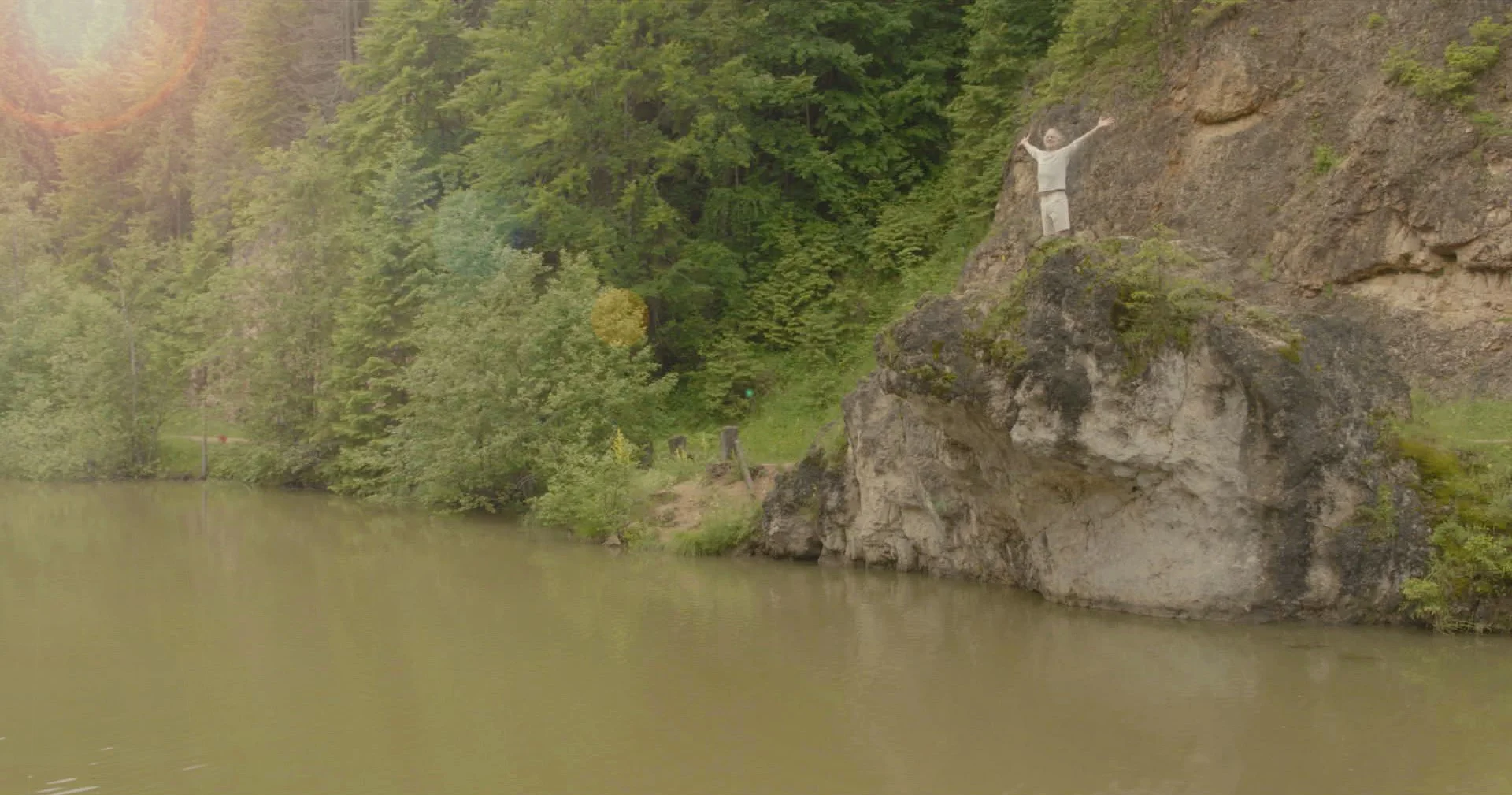
Educating Guests and Promoting Eco-Awareness
Sustainable wellness at Ensana operates through partnership—properties invest in environmental systems while guests are invited to participate. This creates reciprocal relationships, where hotels support guest health while guests help protect environmental resources.
Throughout rooms and spa areas, clear information guides water and energy conservation—from towel reuse and laundry reduction to climate control management when absent. These individual choices aggregate significantly, particularly in destinations hosting thousands of annual visitors.
Ensana actively reduces single-use plastics, with guest participation encouraged through glass or reusable bottles, refillable amenities, and water stations—eliminating disposable packaging without compromising hygiene or comfort.
Many programs support mindfulness and digital detox—inviting guests to limit screen time, decelerate daily rhythms, and focus on restorative activities rather than continuous online engagement. This approach deepens relaxation and recovery while subtly shifting attitudes toward more conscious, less wasteful living patterns.
Wellness Experiences With Light Environmental Footprint
At Ensana, many effective wellness experiences also minimize environmental impact. Rather than depending on high-intensity attractions, many Ensana’s programs emphasize low-impact activities harmonizing with surrounding landscapes. Outdoor activities include:
- Forest and park walks along historic spa promenades
- Gentle hikes with access to hills, lakes, or rivers
- Lakeside or garden yoga, stretching, and breathing exercises in natural settings
Within spa facilities, Ensana prioritizes therapies respecting natural rhythms. Mineral baths, inhalations, hydrotherapy, and mindfulness sessions support nervous system regulation and recovery without excessive resource consumption or invasive procedures. These treatments draw on local water, climate, and movement rather than constant technological intervention.
Many programs align body function with landscape characteristics, combining prescribed walks, outdoor exercise, balneotherapy, and relaxation following natural daily patterns. The objective is restoring strength, reducing stress, and deepening self-awareness while maintaining minimal ecological footprint.
Why Sustainable Spa Travel Represents the Future
As travelers increasingly consider environmental impact, spa breaks must deliver not only comfort and beauty but also environmental responsibility.
Ensana integrates heritage, wellness, and sustainability in ways aligning with evolving consumer priorities. Historic spa towns, established medical expertise, and carefully managed natural resources create foundations for contemporary eco-conscious stays. For guests, this delivers:
- Authentic architecture and spa traditions updated to meet green building standards
- High-quality treatments rooted in natural resources and medical knowledge
- Local, seasonal cuisine and community partnerships maintaining regional benefit
This approach aligns with global shifts in health awareness, climate consciousness, and ethical tourism. Travelers increasingly seek experiences supporting long-term wellbeing, respecting environmental systems, and benefiting local communities—moving beyond short-term escapes toward meaningful engagement with destinations.
By choosing Ensana, travelers can pursue wellness goals while supporting sustainable tourism models. The opportunity is straightforward: explore destinations where nature and wellness have maintained connections across centuries, and participate in a framework where personal health and environmental health function as complementary rather than competing objectives.
Ready to evaluate how sustainable spa travel might fit your wellness objectives? Explore Ensana's properties across Central Europe, or contact wellness consultants to discuss personalized programs at destinations designed for both healing and preservation.